Harnessing AI Analytics for Deeper Business Insights and Data-Driven Success

In today's rapidly evolving digital landscape, the integration of artificial intelligence (AI) with data analytics has become a cornerstone for businesses seeking a competitive edge. AI-driven analytics offer unprecedented opportunities for companies to delve deeper into their data, yielding actionable insights that drive strategic decision-making and foster data-driven success. This article delves into the transformative potential of AI analytics, outlining how they can be harnessed to unlock deeper business insights and propel organizations towards greater innovation and efficiency.
Key Takeaways
- AI-enhanced analytics are pivotal for proactive decision-making, optimizing operational efficiency, and predicting market and consumer trends.
- Personalization and customer insight are significantly advanced through AI, enabling tailored experiences and improved consumer engagement.
- Operationalizing AI within business intelligence systems is key to fostering a data-driven culture and measuring AI's impact on performance.
- AI analytics serve as a catalyst for innovation and competitive advantage, providing the insights necessary for strategic business innovation.
- The future of business intelligence lies in AI-driven data ecosystems, which require scalable frameworks and a commitment to ethical AI use.
The Strategic Imperative of AI-Enhanced Analytics

Facilitating Proactive Decision-Making
In the realm of business, the advent of Data-Driven Decision Making AI has been nothing short of revolutionary. By harnessing the power of AI-driven analytics, organizations are now equipped to transform their strategic planning, quantify potential risks, and tailor customer experiences to new heights of personalization, fostering both growth and a formidable competitive advantage.
The integration of AI into analytics is not just an upgrade; it's a complete overhaul of the decision-making paradigm. It empowers leaders to act with foresight, turning reactive business tactics into proactive strategies.
The benefits of this transformation are manifold:
- Speed: AI analytics significantly reduce the time required to process and analyze vast datasets, enabling quicker decision-making.
- Accuracy: Leveraging historical data, AI provides precise predictions, enhancing the quality of decisions.
- Strategic Insight: By anticipating market trends, businesses can proactively adjust their strategies to seize emerging opportunities.
Embrace the AI-driven analytics revolutionize decision-making in businesses, and witness your organization's strategic planning, risk quantification, and customer experience personalization soar to unprecedented levels. The time to act is now—don't let your competitors outpace you in this data-dominated era.
Optimizing Operational Efficiency
In the quest for operational excellence, AI analytics emerge as a pivotal tool, transforming the landscape of business efficiency. By harnessing the power of AI, companies are not only predicting but preemptively addressing potential disruptions in their operations. For instance, predictive maintenance algorithms are a game-changer, allowing firms to foresee equipment failures and act before costly downtime ensues.
The integration of AI with data analytics platforms, such as the synergy between Looker and Vertex AI, exemplifies the strides made in refining the analytics process. This union not only accelerates insight extraction but also elevates productivity, carving a path to a more streamlined and efficient operational model.
AI drives operational optimization in business through analytics, enhancing marketing, supply chain, and efficiency. Predictive analytics aids strategic planning and decision-making for competitive advantage.
Moreover, AI's role in supply chain management cannot be overstated. By analyzing historical data, AI-driven solutions forecast demand, fine-tune inventory levels, and optimize logistics. The result is a robust operational framework that not only cuts costs but also amplifies efficiency.
To truly capitalize on these advancements, businesses must embrace AI analytics as a cornerstone of their operational strategy. The journey towards a data-driven enterprise is not without its challenges, but the rewards of increased efficiency and a competitive edge are undeniable. Embrace AI analytics, and let data guide your path to operational supremacy.
Predicting Market Trends and Consumer Behavior
In the realm of business, the ability to foresee and adapt to market trends and consumer behavior is not just an advantage; it's a strategic necessity. AI in Market Trend Analysis stands at the forefront of this predictive revolution, offering unparalleled insights that were once the domain of speculative foresight. By harnessing the power of AI, businesses can now predict future trends and market shifts with a precision that allows for proactive, rather than reactive, strategies.
The integration of AI analytics into market research is transforming the landscape of business intelligence. It equips decision-makers with the foresight to not only survive but thrive in an ever-evolving market.
Consider the case of Procter & Gamble (P&G), a consumer goods titan that employs machine learning algorithms to forecast product demand with remarkable accuracy. By analyzing sales trends and social media conversations, P&G can swiftly adapt to consumer behavior changes, optimizing their production and supply chain processes. This is just one example of how AI analytics can lead to more informed decision-making and enhanced operational efficiency.
The benefits of AI in predicting market trends and consumer behavior are clear:
- Anticipate market changes and identify emerging opportunities.
- Mitigate risks and manage uncertainties through informed risk-management decisions.
- Tailor marketing campaigns and product recommendations to enhance customer experience and satisfaction.
As we delve deeper into the capabilities of AI, we invite you to join us in exploring how these insights can be leveraged for your business's success. Embrace the transformative power of AI analytics and ensure your organization is not just keeping pace, but setting the pace in a data-driven world.
Personalization and Customer Insight Through AI

Crafting Tailored Customer Experiences
In the realm of customer experience, the magic lies in the ability to anticipate and fulfill customer needs with precision and creativity. AI analytics serve as the cornerstone for this personalized approach, transforming vast data landscapes into actionable insights. For instance, social media listening can reveal real-time customer sentiments, enabling brands to adapt swiftly and effectively.
The integration of AI into customer experience strategies is not just about data analysis; it's about weaving that data into the very fabric of your brand's narrative.
Consider the following benefits of AI-driven personalization:
- Enhanced customer engagement: By understanding and acting on customer preferences, businesses can create more meaningful interactions.
- Increased conversion rates: Tailored recommendations and communications resonate more deeply, leading to improved sales metrics.
- Customer loyalty: Personalized experiences foster a sense of value and belonging among customers, encouraging repeat business.
Top-performing brands understand the importance of pulling proprietary data into their engagement platforms, orchestrating experiences that are not only personalized but also timely and scalable. The result? A competitive and creative edge that is reflected in the bottom line. As Stas Sorokin, a seasoned web developer, would attest, leveraging AI for such applications is not just a trend—it's a strategic imperative for success.
Understanding Consumer Patterns with Predictive Analytics
In the realm of Predictive Business Insights AI, the ability to anticipate and understand consumer behavior is not just an advantage; it's a strategic imperative. AI for Customer Behavior Analysis is transforming the landscape of customer insights, offering unprecedented precision in identifying patterns and preferences. This analytical prowess is not confined to mere data interpretation; it extends to crafting experiences that resonate on a personal level with consumers, fostering a connection that is both meaningful and profitable.
The integration of Customer Insights Analytics AI into business operations equips companies with the foresight to not only meet but exceed customer expectations. By harnessing AI-Driven Sales Predictions, businesses can tailor their offerings to align with anticipated needs, ensuring relevance and timeliness that can significantly enhance customer satisfaction and loyalty.
The following points encapsulate the transformative impact of predictive analytics on customer understanding:
- AI-driven analytics revolutionize customer engagement, building brand loyalty through data-driven customization and personalized experiences.
- AI enhances customer lifecycle management, driving growth and competitive advantage.
- Predictive analytics empowers businesses to proactively adapt to market dynamics, ensuring agility in strategy and execution.
In conclusion, the adoption of predictive analytics is not merely a trend but a cornerstone of modern business strategy. It is the key to unlocking a deeper connection with customers and achieving a competitive edge in today's data-intensive market. Embrace the power of AI and step into a future where data-driven decisions lead to unparalleled success.
Enhancing Customer Engagement and Loyalty
In the age of information overload, AI-driven analytics revolutionize customer engagement, enhancing personalization, speed, and consistency. The secret to captivating your customers lies not just in meeting their expectations, but in exceeding them by delivering experiences that resonate on a personal level.
By leveraging AI, businesses can break down silos between teams, achieving higher productivity and a competitive edge. This is not about chasing vanity metrics; it's about deepening first-party relationships with customers and acting swiftly on data to create personalized experiences at scale.
The ability to anticipate customer needs and gauge opinions through social media listening empowers brands to proactively tailor offerings and marketing communication.
Top-performing brands that integrate proprietary data into their customer engagement platforms see substantial returns. They orchestrate personalized messages that drive significant ROI, outperforming their less data-savvy competitors. Consider the following data points:
- Companies using AI insights for personalization saw revenue growth.
- Businesses leveraging AI report increased operational efficiency.
- AI adoption leads to competitive dominance in a data-driven world.
As we navigate the evolving landscape of customer engagement, the integration of AI analytics stands as a beacon for businesses aiming to foster loyalty and secure long-term success. Embrace the analytics revolution and watch your business thrive.
Operationalizing AI for Data-Driven Organizational Growth

Integrating AI with Business Intelligence Systems
The confluence of AI and Business Intelligence (BI) systems marks a transformative era for Business Growth Analytics AI. Integrating AI with existing BI systems is not merely a technical endeavor but a strategic one, ensuring that the enhanced analytics drive the business forward. Seamless integration requires meticulous planning, selection of apt tools, and a steadfast commitment to data integrity.
- Assess the business needs and goals.
- Select suitable AI tools that complement BI capabilities.
- Ensure compatibility and minimal disruption during integration.
- Commit to maintaining data integrity throughout the process.
The complementary nature of BI and AI extends beyond mere data analysis; it provides a strategic foresight that automates and refines business processes, revealing insights that propel an organization towards data-driven success.
The strategic implementation of AI in BI systems is not a one-off project but a continuous journey of improvement and adaptation. As AI tools evolve, so must the integration strategies, ensuring that the systems work in harmony to uncover trends and patterns that drive operational efficiency and strategic decision-making. Engage with the transformative power of AI in your BI practices and witness the unfolding of unprecedented business insights. Embrace this journey to not only stay competitive but to set new benchmarks in your industry.
Cultivating a Data-Driven Culture in the Workplace
In the quest for organizational excellence, the cultivation of a data-driven culture stands paramount. Embrace data-driven leadership with AI analytics to navigate the complexities of modern business landscapes. A workforce adept in data literacy is not just an asset but a necessity in an era where data is the cornerstone of strategic decision-making.
To foster such a culture, continuous learning and upskilling become critical. Employees across all levels must be equipped with the skills to interpret and utilize data effectively. This transformation is not just about hiring data scientists but about embedding data-centric roles and processes throughout the organizational structure. Consider the following steps to achieve this:
- Encourage cross-functional collaboration to leverage data across departments.
- Integrate roles such as data scientists and analysts in strategic positions.
- Prioritize continuous education to enhance the workforce's data literacy.
Despite the potential of AI and data analytics to elevate performance and drive innovation, many organizations lag in actualizing a data-driven environment. An HBR study reveals a concerning trend: a mere 23.9% of executives believe their companies have successfully established a data-driven culture. This highlights the urgency for businesses to overcome challenges in integrating big data for strategic advantage.
Professional API integration services are available to ensure seamless data integration and to support your journey towards a data-empowered organization.
The journey to a data-driven culture is not without its challenges, but the rewards are substantial. By harnessing AI analytics, businesses can achieve data agility and higher productivity, leading to data-driven success. Join us in this transformative movement and secure your place at the forefront of industry innovation.
Measuring the Impact of AI on Business Performance
In the realm of business intelligence, the integration of Business Performance AI Tools has become a cornerstone for companies seeking to thrive in a data-driven market. These tools not only streamline analytics but also provide a tangible measure of their impact on business performance. To gauge the effectiveness of AI, businesses must ask critical questions: How does AI contribute to customer experience enhancement, or cost reduction? What is the expected ROI from integrating AI into our BI processes?
The key to unlocking the full potential of AI lies in continuous monitoring and improvement. After implementation, it is crucial to refine AI models and adjust processes to maximize the investment's value.
To systematically measure the success of AI, organizations should focus on key performance indicators (KPIs) that align with their strategic goals. Here is a succinct table outlining potential KPIs and their relevance:
| KPI | Relevance to AI Integration |
|---|---|
| Customer Satisfaction Scores | Reflects AI's impact on enhancing customer experiences |
| Operational Cost Savings | Indicates efficiency gains from AI automation |
| Revenue Growth | Demonstrates AI's role in driving sales and market expansion |
By meticulously tracking these KPIs, businesses can not only validate their AI initiatives but also identify areas for further optimization. The journey towards AI-enhanced analytics is not without its challenges, including the need for organizational understanding and experience with AI. However, the benefits—personalized recommendations, customer insights, and informed decision-making—underscore the strategic imperative of embracing AI.
Are you ready to harness the power of AI for your business? Take the first step towards data-driven success and explore the transformative impact of AI on your business performance.
AI Analytics as a Catalyst for Innovation and Competitive Advantage
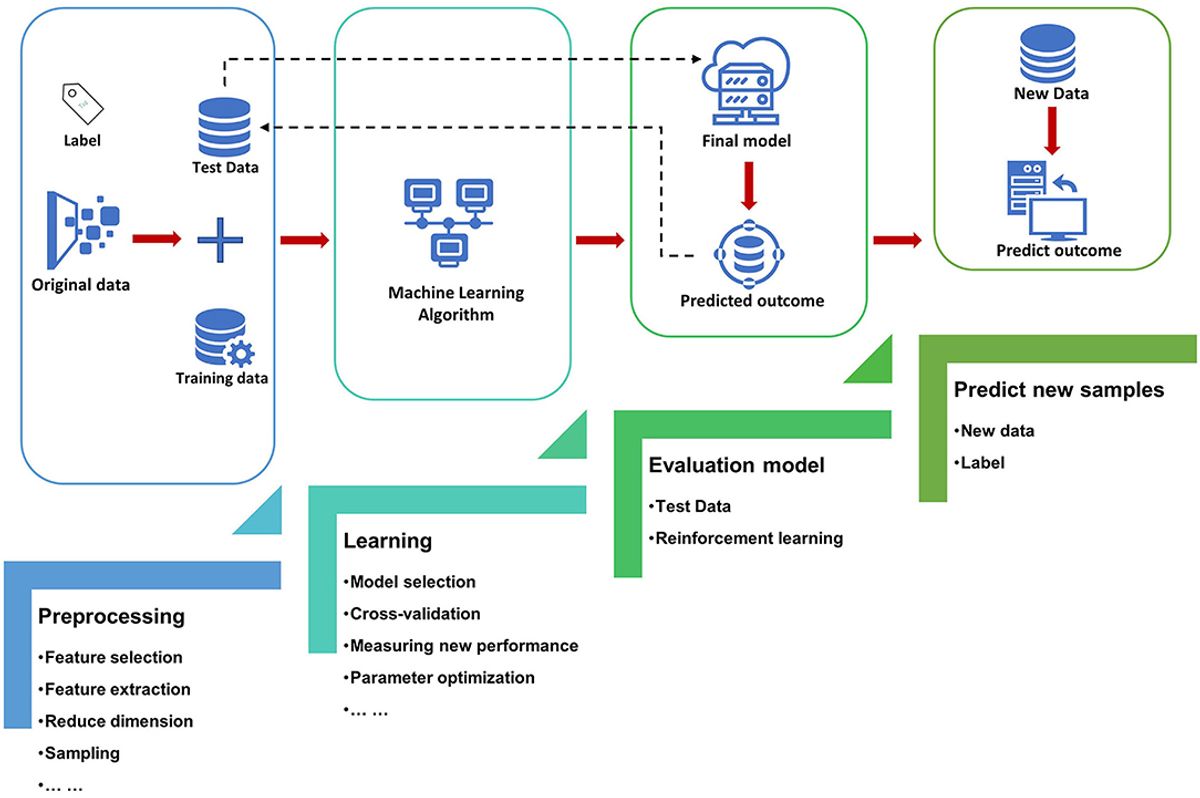
Driving Business Innovation with Data Insights
In the realm of AI Business Intelligence Solutions, the fusion of AI and analytics is not just an operational tool; it's a strategic asset that propels innovation. By harnessing Real-Time Business Analytics AI, organizations can identify patterns and opportunities that were previously obscured in the vast seas of data. This real-time insight generation is the cornerstone of an AI-Powered Business Strategy, enabling companies to pivot with agility and foresight.
The transformative potential of AI analytics lies in its ability to turn data into a wellspring of innovative ideas, driving businesses towards uncharted territories of growth and opportunity.
To truly capitalize on these insights, businesses must adopt a structured approach:
- Align AI analytics with strategic business goals.
- Foster cross-departmental collaboration to integrate diverse data sources.
- Continuously refine AI models for enhanced predictive accuracy.
The Bles Software website offers insights on leveraging AI for scalable growth, business expansion, SaaS innovation, and software development efficiency. Subscribe for AI, technology, and software solutions.
Securing a Competitive Edge in a Data-Intensive Market
In the relentless pursuit of market leadership, AI-Enhanced Data Analytics emerge as the linchpin for companies vying for supremacy in data-intensive industries. The strategic deployment of AI analytics in customer segmentation allows businesses to discern nuanced consumer clusters, tailoring their strategies to meet the precise needs of each segment.
- Identify high-value customer groups
- Predict customer needs and preferences
- Customize marketing campaigns effectively
- Enhance product development with targeted features
The agility afforded by AI analytics equips organizations to pivot swiftly in response to market shifts, ensuring they are always a step ahead of the competition. A table illustrating the impact of AI analytics on customer segmentation might show:
| Customer Segment | Engagement Increase | Revenue Growth |
|---|---|---|
| Segment A | 25% | 15% |
| Segment B | 40% | 20% |
| Segment C | 30% | 18% |
The synthesis of AI and data analytics not only sharpens the competitive edge but also propels businesses towards unprecedented levels of innovation and customer intimacy.
As we delve deeper into the era of data, the imperative for businesses is clear: embrace AI-Enhanced Data Analytics or risk obsolescence. The call to action is unequivocal—integrate, innovate, and lead. Let the transformative power of AI guide your journey to the zenith of your industry.
Benchmarking Success with AI-Driven Metrics
In the realm of competitive business landscapes, AI for Competitive Analysis has emerged as a pivotal tool. By leveraging AI-driven analytics, companies are not only able to track their performance but also gain profound insights into their competitors' strategies. This intelligence is crucial for businesses to adapt and thrive. AI in Financial Forecasting further empowers organizations to anticipate market shifts and allocate resources more effectively, ensuring a proactive stance in a dynamic economic environment.
The integration of AI-driven metrics into business operations is not just about data collection; it's about transforming that data into actionable strategies that drive success.
To truly harness the power of AI-driven analytics, consider the following steps:
- Establish clear benchmarks aligned with business objectives.
- Utilize AI to analyze large datasets for trends and patterns.
- Continuously refine metrics based on AI insights to maintain relevance.
By systematically applying these measures, companies can revolutionize their approach to market analysis, customer engagement, and overall business growth. The AI-driven analytics revolutionize marketing strategies through personalized customer targeting, predictive insights, and continuous improvement for growth and competitive advantage.
The Future of Business Intelligence: AI-Driven Data Ecosystems
Navigating the Evolution of Data Analytics
In the midst of a data revolution, the evolution of analytics is marked by the rapid integration of artificial intelligence (AI), transforming the way we interpret and act upon data. As we delve into this new era, it's crucial to understand that the future of business intelligence is not a distant promise but a present reality. Organizations that adapt to AI-enhanced analytics are already reaping the benefits of deeper insights and more informed decision-making.
The journey through the evolution of data analytics is akin to navigating uncharted waters, where each wave of innovation propels businesses closer to the shores of success.
To stay ahead, businesses must not only invest in AI technologies but also in the talent that can wield these tools effectively. Consider the expertise of professionals like Stas Sorokin, a full-stack professional who offers premium consultation services in tech stack selection, automation, and cloud integration—vital for thriving in an AI-driven market.
The table below illustrates the stark contrast between traditional and AI-enhanced business intelligence, highlighting the necessity for businesses to evolve:
| Feature | Traditional Business Intelligence | AI-Enhanced Business Intelligence |
|---|---|---|
| Data Handling | Structured data from internal sources | Structured and unstructured data from diverse sources |
| Analysis Type | Descriptive (What happened?) | Predictive (What will happen?) and Prescriptive (What should we do?) |
| Decision-Making | Reactive based on past data | Proactive with future predictions |
| Reporting | Periodic reports and dashboards | Real-time insights and forecasts |
| User Interaction | Static queries and predefined reports | Dynamic, interactive data exploration |
Embrace the evolution of data analytics by investing in AI and the right talent. The future is data-driven—ensure your business is at the forefront.
Building Scalable AI Frameworks for Future Growth
As we stand on the brink of a data revolution, the scalability of AI frameworks becomes a cornerstone for enduring success. Businesses must architect AI systems that grow in tandem with their ambitions, ensuring that the infrastructure is robust enough to handle increasing volumes of data and sophisticated enough to adapt to evolving analytical needs.
To achieve this, a strategic approach is essential:
- Identify core areas where AI can drive value.
- Invest in technology that supports scalability.
- Provide continuous training to empower your workforce.
- Collaborate with AI experts to refine implementation.
The journey towards a scalable AI framework is not just a technical challenge; it is a strategic imperative that demands foresight, flexibility, and a commitment to continuous improvement.
The mere 20% of strategists currently harnessing AI tools indicates a vast landscape of opportunity. By embracing AI, businesses can unlock innovative customer experiences and strategic advantages previously unattainable. The call to action is clear: to not just participate in the future of business intelligence but to actively shape it through scalable AI frameworks.
Ensuring Ethical and Responsible Use of AI in Analytics
In the realm of AI analytics, the ethical dimension is not just an afterthought; it is a foundational pillar that ensures the longevity and trustworthiness of data-driven initiatives. Embrace ethical AI practices for unbiased analytics, transparency, and fairness. This involves a multi-faceted approach:
- Mitigate bias by rigorously testing and refining algorithms.
- Prioritize data privacy through robust security measures and compliance with regulations.
- Leverage AI for growth with strategic implementation and human oversight to ensure that the technology serves the broader goals of society.
With increasing regulatory scrutiny and data privacy concerns, it is imperative to integrate ethical considerations into every layer of AI analytics.
Moreover, organizations must remain vigilant against algorithmic bias, a growing concern that threatens to undermine the credibility of AI systems. Proactive measures are essential to prevent such biases from influencing decision-making processes. By fostering a culture of ethical AI use, businesses can safeguard against the negative impacts of unethical practices and position themselves as leaders in responsible innovation.
As we navigate the complexities of AI in analytics, let us commit to a future where technology amplifies our human values. Join us in championing ethical AI, and together, we can steer the course of business intelligence towards a more equitable and conscientious horizon.
CONCLUSION
In the academic pursuit of understanding the transformative role of AI in business analytics, we have delved into the myriad ways in which AI-driven analytics can be harnessed for deeper business insights and data-driven success. The synthesis of AI with data analytics is not merely an enhancement of existing processes but a paradigm shift that offers a profound comprehension of customer behavior, predictive trend analysis, and strategic decision-making. Despite the potential and the increasing reliance on data, the journey towards a fully data-driven organization remains challenging, as evidenced by the decline in companies successfully achieving this status. Nevertheless, the benefits, as outlined in this discourse, are clear and compelling. Organizations that effectively integrate AI analytics into their operations are poised to gain a competitive advantage, innovate with agility, and ultimately, achieve superior outcomes in an increasingly digital and data-centric world.
Frequently Asked Questions
How does AI-driven analytics provide deeper business insights?
AI-driven analytics applies advanced algorithms and machine learning techniques to large datasets, uncovering patterns, trends, and relationships that might not be visible through traditional analysis. This enables businesses to make more informed decisions, predict market trends, and understand customer behavior at a much deeper level.
What are the key benefits of AI analytics in data insights?
The key benefits include personalized customer recommendations, enhanced decision-making, strategic planning, automation of repetitive tasks, and the ability to anticipate market trends. AI analytics also improves operational efficiency and helps businesses gain a competitive edge.
How can businesses use AI to analyze data effectively?
Businesses can use AI to analyze data by integrating AI tools with their existing business intelligence systems, training employees to leverage these tools, and applying statistical techniques and machine learning algorithms to extract actionable insights from their data.
Why is it important for businesses to become data-driven organizations?
Becoming a data-driven organization is important because it allows businesses to base their strategies and decisions on empirical evidence rather than intuition. This leads to more accurate predictions, better performance, and the ability to adapt quickly to changes in the market.
What challenges do companies face in establishing a data-driven organization?
Challenges include data silos, lack of skilled personnel, resistance to change, and difficulty in integrating AI with current systems. There is also a need to ensure the ethical and responsible use of AI, as well as to navigate the complexities of data privacy and security.
How can AI analytics improve training outcomes for businesses?
AI analytics can improve training outcomes by providing data aggregation and visualization, offering personalized learning experiences, and identifying areas of improvement. This leads to more effective training programs and better alignment with business goals and employee development.

Comments
Post a Comment