Leveraging AI Analytics for Strategic Business Decisions: Unveiling Customer Insights and Predicting Trends

In the swiftly evolving business landscape, artificial intelligence (AI) stands as a pivotal force, transforming how organizations analyze data and make strategic decisions. The integration of AI analytics into business operations provides a unique opportunity to uncover deep customer insights, predict market trends, and tailor offerings to meet the ever-changing demands of the consumer. This article explores the multifaceted role of AI in driving strategic business decisions, offering a comprehensive guide to leveraging these sophisticated tools for competitive advantage.
Key Takeaways
- AI analytics enable businesses to deeply understand customer behavior, preferences, and future needs, driving personalized experiences and strategic growth.
- Predictive analytics, powered by machine learning, allow companies to anticipate market trends and consumer demands, leading to proactive and informed decision-making.
- Strategic application of AI in marketing optimizes campaigns and resource allocation, resulting in increased efficiency and reduced customer churn.
- AI automation enhances operational excellence by streamlining supply chain management and supporting real-time, data-driven operational decisions.
- The integration of AI analytics into business intelligence is a game-changer, offering the ability to identify new opportunities, mitigate risks, and drive sustainable growth.
The Role of AI in Unveiling Customer Insights

Understanding Consumer Behavior through Data Analysis
In the quest to comprehend the intricacies of consumer behavior, AI for Customer Behavior Analysis stands at the forefront, transforming raw data into a tapestry of insights. The power of AI Analytics in Customer Segmentation is evident as businesses can now dissect vast consumer datasets, uncovering hidden patterns and connections that might have gone unnoticed. With AI-based real-time analysis, companies gain an accurate understanding of consumer preferences, opinions, and behaviors with agility and efficiency.
The utilization of Customer Insights Analytics AI is not just about data collection; it's about making that data actionable. It's the difference between simply navigating a vast ocean of consumer data and charting a course to uncharted territories of market opportunities.
The benefits of leveraging AI in this domain are manifold:
- Cost Efficiency: By pinpointing areas to reduce costs, AI analytics acts as the crucial tool in sealing the 'leaks' in a business's operational boat.
- Decision Making: Like a magic mirror, AI analytics reflects the patterns and trends that guide astute business decisions.
- Growth and Innovation: It is the driving force behind identifying new avenues for progress, enabling businesses to stay ahead of the curve.
The Bles Software website offers insights on leveraging AI for scalable growth, business expansion, SaaS innovation, and software development efficiency. Subscribe for AI, technology, and software solutions.
Enhancing Customer Experience with Personalized Service Offerings
In the realm of customer service, hyper-personalization stands as a beacon of innovation, driven by AI's profound ability to dissect and understand vast datasets. The promise of AI extends beyond mere recommendations; it heralds a new era where products and services are intricately tailored to individual preferences, fostering a sense of value and connection that resonates deeply with consumers.
The tailored approach of AI not only makes customers feel valued but also significantly enhances their overall experience.
By leveraging machine learning algorithms, businesses can analyze past interactions to offer personalized service to repeat customers. This not only makes customers feel understood but also reduces wait times and improves call handling, leading to a more satisfying customer journey. Consider the impact of a system that suggests products based on a customer's purchase history, transforming a mundane transaction into a curated experience.
- Personalized Service: Tailored customer service based on emotional cues.
- Proactive Intervention: Real-time sentiment analysis for timely support or escalation.
- Enhanced Engagement: Suggesting products and services aligned with individual behaviors.
The strategic deployment of AI in customer service not only secures customer loyalty but also serves as a critical differentiator in today's competitive market. Businesses that embrace this technology are poised to reap the rewards of increased engagement and sustained growth. As we witness the transformative power of AI, let us not forget the human element that remains at the core of customer satisfaction. It is the harmonious blend of technology and empathy that will ultimately define the pinnacle of customer experience.
Driving Marketing Efficiency with Predictive Customer Analytics
In the realm of marketing, efficiency is paramount. Predictive customer analytics stand at the forefront of this domain, offering a transformative approach to understanding and engaging with consumers. By harnessing the power of AI, businesses can sift through vast amounts of data to uncover patterns and predict future behaviors, thus tailoring their strategies to meet the dynamic needs of the market.
The integration of predictive analytics into marketing processes is not just about data interpretation; it's about crafting a narrative that resonates with customers on a personal level.
For instance, consider the case of Amazon, which employs predictive analytics to suggest products with uncanny accuracy. This is not mere coincidence but the result of meticulously analyzing purchase history, browsing habits, and demographic information to forecast customer desires. Such precision in prediction not only enhances the customer experience but also drives marketing efficiency by significantly reducing guesswork.
Final Thoughts: As we delve deeper into the age of data, the role of predictive analytics in marketing cannot be overstated. It is the compass that guides businesses through the ever-changing consumer landscape, ensuring that every decision is informed, strategic, and ultimately, successful. Embrace this technology, and you may find your business not just keeping pace, but setting the tempo for your industry.
Predictive Analytics: A Gateway to Proactive Decision-Making

Anticipating Market Trends with Machine Learning Models
In the realm of strategic business decisions, AI in Market Trend Analysis stands as a cornerstone, enabling companies to not just react to changes, but to anticipate them. Advanced analytics provide a panoramic view of potential future scenarios, while machine learning delves into the nuances of data, learning and evolving to offer increasingly accurate predictions.
The synthesis of machine learning with market trend analysis heralds a new era of predictive prowess. This fusion empowers businesses to foresee market shifts, aligning their strategies with the trajectory of consumer demands and competitive landscapes.
By harnessing the predictive capabilities of AI, firms can craft personalized marketing strategies, sharpen their competitive intelligence, and refine strategic decision-making. This continuous improvement cycle, fueled by data-driven insights, is the essence of modern business acumen. The table below encapsulates the transformative impact of AI on various business aspects:
| Aspect | Impact of AI |
|---|---|
| Marketing | Personalized campaigns |
| Competitive Intelligence | Enhanced foresight |
| Decision-Making | Strategic refinement |
Embrace the power of AI to stay ahead in a rapidly evolving market. Let the data guide your path to success and allow your business to flourish in the age of information.
Optimizing Resource Allocation through Predictive Insights
In the realm of strategic business decisions, the allocation of resources stands as a critical determinant of success. Predictive analytics serves as the linchpin in this process, enabling organizations to distribute their assets with precision and foresight. By analyzing historical data and identifying patterns, businesses can forecast future demands and adjust their resource deployment accordingly.
The power of predictive analytics lies in its ability to transform raw data into actionable insights, guiding companies to allocate their resources where they will be most effective.
For instance, consider the impact on operational efficiency within call centers:
- Workforce Optimization: Predictive models can forecast high-traffic periods, allowing for better staff scheduling and reduced wait times.
- Resource Allocation: By anticipating call volumes, resources can be allocated efficiently, enhancing overall operational efficiency.
These examples underscore the transformative potential of predictive analytics in resource optimization. As businesses continue to navigate an ever-changing market landscape, the adoption of such advanced analytics is not just advisable—it's imperative. Embrace the power of data-driven decision-making to ensure your organization remains competitive and agile. Harness predictive insights to not only react to the market but to proactively shape it.
Improving Strategic Outcomes with Advanced Forecasting Techniques
In the realm of strategic business decisions, advanced forecasting techniques stand as pivotal tools for shaping the future. These sophisticated methods go beyond mere predictions, offering a blueprint for proactive strategy and operational excellence. AI integration in business operations is a continuous journey of transformation. Strategic planning, predictive analytics, and AI-enhanced analysis drive growth and efficiency, shaping the future of decision-making and market trends.
By integrating advanced forecasting techniques, organizations can navigate the complexities of the market with greater confidence and precision. This not only streamlines the decision-making process but also fortifies the foundation for long-term strategic growth.
Here's how AI-driven forecasting can transform your business:
- AUTOMATED PROCESSING FOR ENHANCED EFFICIENCY: AI algorithms streamline forecasting, reducing manual intervention and freeing human resources for strategic tasks.
- INSIGHTFUL OUTCOME FORECASTING: Machine learning extracts actionable insights from real-time data, enabling proactive decisions and swift corrective measures.
- ROBUST DATA SECURITY AND COMPLIANCE MEASURES: Ensuring the integrity of predictive analytics is paramount for maintaining trust and compliance in strategic forecasting.
Utilizing predictive analytics technology enables organizations to optimize operations, streamline processes, and enhance customer experiences through personalized service offerings. By leveraging data-driven insights, companies can anticipate market changes, identify opportunities, and mitigate risks effectively, leading to sustainable growth.
Embrace the transformative power of AI in your strategic planning. The future of your business depends on the decisions you make today. Are you ready to harness the full potential of advanced forecasting techniques?
Transforming Marketing Strategies with AI-Driven Insights

Tailoring Campaigns to Consumer Preferences
In the age of information overload, hyper-personalization stands as the beacon of enhanced customer experience. AI analytics delve deep into consumer behavior, enabling businesses to tailor their marketing campaigns with unprecedented precision. This not only elevates the customer journey but also ensures that every marketing dollar is spent effectively.
- Targeted Advertising: Pinpoint accuracy in reaching the right audience.
- Content Personalization: Crafting messages that resonate on a personal level.
- Campaign Optimization: Streamlining strategies for optimal return on investment.
The essence of AI-driven marketing lies in its ability to transform vast data landscapes into actionable insights, fostering a connection with customers that feels both genuine and timely.
As we navigate the ethical dilemmas and real challenges of AI, it's crucial to maintain a balance between personalization and privacy. The goal is to create campaigns that not only captivate but also respect the individuality of each customer. By harnessing the power of AI analytics, businesses can predict trends, adapt to changing consumer needs, and stay ahead in a competitive market. Remember, the future of marketing is not just about reaching customers—it's about reaching the right customer, with the right message, at the right time.
Leveraging Quantitative Finance for Marketing Optimization
In the realm of marketing, the integration of AI in Financial Forecasting is revolutionizing how we understand and engage with our customers. By harnessing the predictive power of AI, finance and marketing departments are not only aligning their strategies but are also achieving unprecedented levels of optimization.
The synergy between quantitative finance and AI analytics is a game-changer, enabling businesses to navigate the complexities of market dynamics with confidence and precision.
Consider the following benefits that AI brings to the table in marketing optimization:
- Precision Targeting: AI's deep learning algorithms analyze customer data to identify the most lucrative market segments.
- Budget Allocation: Optimal distribution of marketing funds is achieved by predicting the ROI of various channels and campaigns.
- Performance Tracking: Real-time analytics provide insights into campaign effectiveness, allowing for agile adjustments.
The table below succinctly captures the transformative impact of AI on key marketing metrics:
| Metric | Before AI | With AI |
|---|---|---|
| Customer Acquisition Cost | High | Reduced |
| Conversion Rate | Average | Improved |
| Customer Lifetime Value | Variable | Maximized |
Embrace the future of marketing by leveraging AI and quantitative finance. The insights gleaned from this powerful combination will not only refine your marketing strategies but also drive your business towards sustainable growth. Don't let your competitors outpace you—adopt AI analytics and watch your strategic decisions propel your business forward.
Reducing Customer Churn through Predictive Lead Scoring
In the quest to minimize customer attrition, AI-driven sales predictions stand at the forefront of strategic innovation. By harnessing the power of predictive lead scoring, businesses can not only identify at-risk customers but also engage them with targeted interventions. This proactive stance is underpinned by a deep analysis of customer data, which reveals the nuanced patterns of behavior that precede churn.
The efficacy of predictive lead scoring is evident in its ability to transform raw data into actionable insights. Consider the following table, which illustrates a simplified view of how AI categorizes leads based on churn risk:
| Lead ID | Churn Probability | Recommended Action |
|---|---|---|
| 001 | High (75%) | Personalized Retention Offer |
| 002 | Medium (50%) | Engagement Follow-Up |
| 003 | Low (25%) | Standard Marketing Communication |
By preemptively addressing the needs and concerns of customers, organizations can significantly reduce churn rates, thereby enhancing customer loyalty and securing a more stable revenue stream.
AI-driven analytics are essential for businesses to optimize marketing ROI, improve customer targeting, and enhance campaign performance through data-driven decision-making and continuous improvement strategies. As we delve into the nuances of predictive analytics, it becomes clear that the ability to foresee and act upon customer behaviors is not just a competitive edge—it's a business imperative.
Operational Excellence through AI Automation
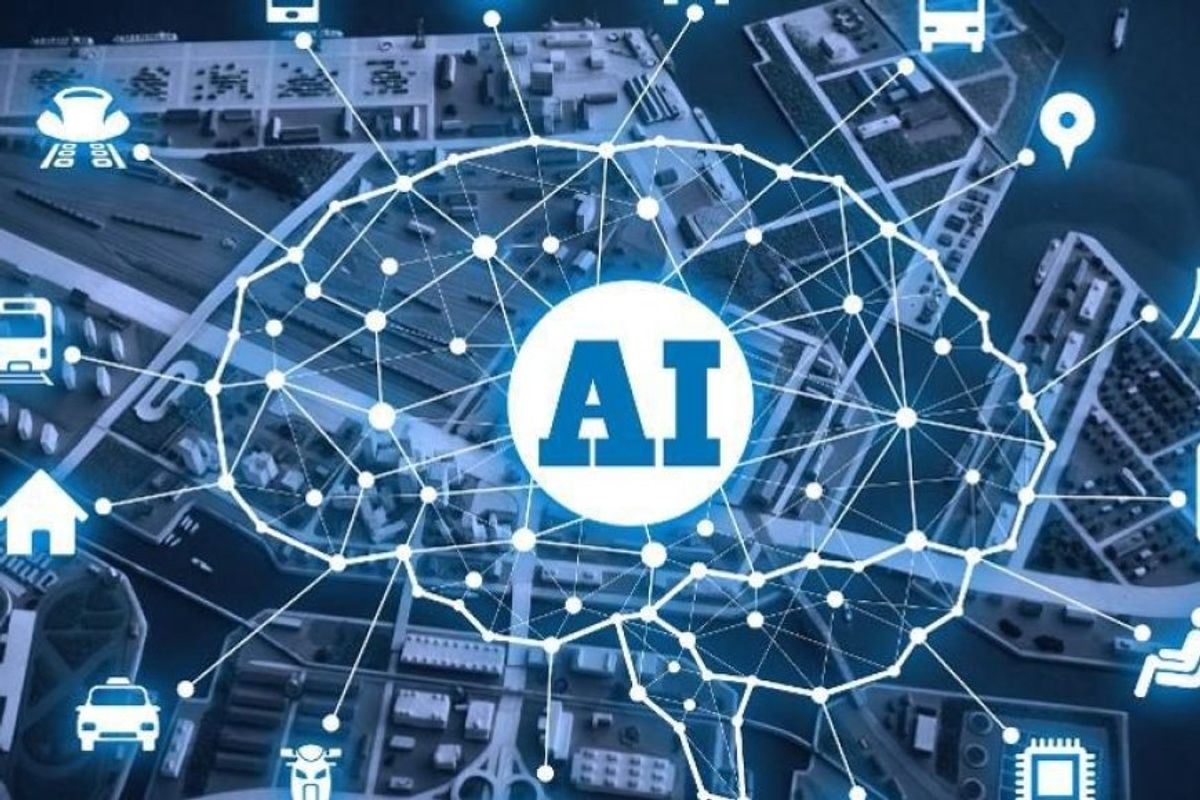
Streamlining Supply Chain Management with Predictive Analytics
In the heart of a thriving business lies a seamless supply chain, and predictive analytics is the linchpin that ensures its efficiency. By integrating AI into supply chain management, companies are not only reacting to market demands but are proactively preparing for them. This strategic foresight is crucial in maintaining a competitive edge in today's fast-paced digital economy.
Predictive analytics transforms raw data into actionable insights, enabling businesses to anticipate disruptions and adjust strategies accordingly.
The implementation of predictive analytics in supply chain management encompasses various aspects:
- Demand forecasting: Accurately predicting product demand to avoid overstocking or stockouts.
- Inventory optimization: Balancing inventory levels with predictive insights to reduce carrying costs.
- Supplier performance analysis: Evaluating suppliers to ensure reliability and mitigate risks.
- Transportation management: Optimizing routes and delivery schedules for cost and time efficiency.
By harnessing the power of predictive analytics, organizations can achieve operational excellence, ensuring that every link in the supply chain is not just a step but a stride towards greater success. Embrace the transformative potential of AI and predictive analytics in your supply chain management to unlock new levels of productivity and innovation.
FINAL THOUGHTS AND RECOMMENDATIONS: As we delve into the era of data-driven decision-making, the integration of AI and predictive analytics in supply chain management is no longer a luxury but a necessity. To stay ahead, businesses must adopt these technologies to enhance their operational capabilities and strategic outcomes. The time to act is now—leverage the insights provided by predictive analytics to propel your supply chain into a future of unparalleled efficiency and growth.
Enhancing Real-Time Decision-Making in Operations
In the fast-paced world of business operations, the integration of Data-Driven Decision Making AI stands as a pivotal force in enhancing real-time decision-making. Organizations equipped with AI analytics can swiftly interpret data, predict operational challenges, and respond proactively. This agility is crucial in maintaining a competitive edge and ensuring customer satisfaction.
- Strategic Decision Making: AI facilitates the formulation of dynamic strategies for customer engagement and service improvements.
- Workforce Optimization: Predictive analytics empower call centers to anticipate high-traffic periods, optimizing staffing and reducing wait times.
- Resource Allocation: Efficient allocation of resources is achieved by predicting call volumes, thus improving operational efficiency.
By leveraging data-driven insights, companies can not only anticipate market changes but also identify opportunities and mitigate risks effectively, leading to sustainable growth.
The transformative power of predictive analytics technology enables organizations to optimize operations and streamline processes. As we delve deeper into the era of automation and advanced analytics, the role of AI in operational decision-making becomes increasingly indispensable. Embrace the future of operations with Data-Driven Decision Making AI—where every decision is an informed one.
Innovating with AI: The Competitive Advantage in Automation
In the relentless pursuit of operational excellence, AI for Competitive Analysis stands as a beacon of innovation, transforming the very fabric of business operations. AI's prowess in automating complex processes not only enhances efficiency but also serves as a catalyst for strategic innovation. Consider the following benefits:
- Streamlined Operations: By automating routine tasks, AI frees up human capital for more strategic endeavors.
- Predictive Maintenance: Anticipating equipment failures before they occur minimizes downtime and maintenance costs.
- Supply Chain Optimization: Intelligent algorithms refine logistics, ensuring a seamless flow of goods and services.
In a world where time is currency, AI's ability to expedite product development and market adaptation is invaluable. It empowers businesses to leapfrog competition and carve out new niches with unprecedented speed.
The narrative of AI in business is one of transformation and opportunity. From the small startup to the established corporation, AI is the linchpin in a strategy that prizes agility and foresight. As we look to the future, the integration of AI into business strategy is not just a possibility—it is an imperative for those seeking to lead in their respective markets.
Strategic Business Growth with AI-Powered Analytics

Identifying New Opportunities with Data-Driven Insights
In the realm of Business Growth Analytics AI, the transformative potential of AI-Enhanced Data Analytics is undeniable. These sophisticated tools empower organizations to navigate the vast seas of data, extracting actionable insights that pave the way for strategic innovation and competitive edge. By harnessing the power of AI-driven analytics, businesses are not only reacting to market dynamics but are also proactively identifying new avenues for expansion and revenue generation.
The AI-driven analytics revolutionize business decision-making by leveraging machine learning and predictive modeling for smarter choices, growth acceleration, and strategic optimization.
Consider the following benefits of AI-Enhanced Data Analytics in identifying growth opportunities:
- Identification of emerging market trends before they become mainstream
- Optimization of product offerings to meet evolving customer needs
- Discovery of untapped market segments through predictive modeling
- Strategic alignment of business operations with market opportunities
The journey towards harnessing these insights is not without its challenges, yet the rewards are substantial. Organizations that adeptly leverage Business Growth Analytics AI position themselves at the forefront of their industries, ready to capitalize on opportunities that others may not even see. As we delve deeper into the age of data, the call to action for businesses is clear: embrace AI-Enhanced Data Analytics to illuminate the path to growth and success.
Mitigating Risks and Fostering Sustainable Growth
In the realm of finance, the integration of AI and ML technologies is not without its challenges. Mitigating risks is paramount to fostering sustainable growth. By addressing the multifaceted challenges head-on, businesses can ensure responsible adoption of these transformative technologies.
The key to sustainable growth lies in the balance between innovation and risk management.
For instance, the amplification of existing risks and the introduction of new, unpredictable ones necessitate a robust oversight mechanism. Ensuring data integrity is another critical step, as poor-quality or biased data can lead to discriminatory outcomes. Here's a succinct overview of the primary concerns:
- Risk Amplification: Autonomous AI responses to market conditions can introduce unpredictable risks.
- Data Integrity: Ensuring fairness and quality of data to prevent harm to financial consumers.
- Operational Vulnerabilities: System failures and data breaches pose significant threats to financial system resilience.
By enhancing risk management efficiency through AI/ML, finance executives can analyze large volumes of data swiftly, leading to more informed and accurate decisions. This transformative risk assessment is a cornerstone of AI's value in finance. However, it requires a collective effort among stakeholders to develop robust governance frameworks and ensure ethical AI deployment.
In conclusion, while AI and ML present operational vulnerabilities, their strategic implementation can lead to informed decision-making and adaptability to market dynamics. Embrace the future of finance with our professional API integration services, starting at just $175, to harness the full potential of AI and ML in your financial operations.
The Future of Business Intelligence: AI as a Core Driver
The advent of AI Business Intelligence Solutions marks a transformative era in strategic planning and execution. These sophisticated tools are not merely technological advancements; they are the architects of a new business paradigm. With AI at the helm, companies are unlocking Predictive Business Insights AI, enabling them to not only react to market changes but to anticipate them, ensuring a proactive stance in a volatile economic landscape.
The integration of AI-Powered Business Strategy into corporate frameworks is revolutionizing the way organizations approach growth and competition. By leveraging Business Performance AI Tools, businesses are equipped to analyze and interpret complex data sets, transforming them into actionable strategies that drive success.
Real-Time Business Analytics AI is reshaping the landscape of decision-making. The immediacy of insights provided allows for swift adjustments, ensuring that businesses remain agile and responsive to the ever-changing market demands. The table below illustrates the impact of AI on key business performance metrics:
| Metric | Before AI | With AI |
|---|---|---|
| Decision Speed | Slow | Rapid |
| Data Accuracy | Variable | High |
| Customer Insights | General | Deep |
| Trend Prediction | Reactive | Proactive |
| Operational Efficiency | Moderate | Enhanced |
The AI-driven analytics revolutionize data-driven decision-making, enhancing customer experiences, optimizing operations, and fostering innovation for exponential revenue growth and market leadership in the digital economy.
As we stand on the brink of this AI revolution, it is imperative for businesses to adapt and evolve. The future is not about the survival of the fittest, but the smartest. Embrace AI-powered analytics, and let data be the guiding star to navigate the complexities of the digital economy. The time to act is now—transform your business with AI and secure your place at the forefront of your industry.
Harnessing the Foresight of AI Analytics for Strategic Business Mastery
In the realm of modern business, the integration of AI analytics into strategic decision-making processes has proven to be a game-changer. As we have explored, the predictive prowess of AI not only deciphers complex data patterns but also anticipates future market trends and customer behaviors with remarkable accuracy. This foresight enables businesses to act with precision, tailoring their operations and marketing strategies to meet the evolving demands of the market. By embracing the transformative potential of AI-driven analytics, organizations can unlock a new echelon of customer insight, fostering a proactive culture of innovation that is essential for sustained growth and competitive advantage. In essence, AI analytics is not merely a technological advancement; it is the linchpin of strategic business acumen in the digital age.
Frequently Asked Questions
How does AI analytics enhance understanding of customer behavior?
AI-driven analytics delve into large sets of consumer data to identify patterns, preferences, and behaviors. This deep analysis facilitates a more nuanced understanding of customers, enabling businesses to tailor their strategies and offerings for better engagement and satisfaction.
What role does predictive analytics play in strategic decision-making?
Predictive analytics, powered by AI, allows businesses to anticipate future market trends and customer demands based on historical data. By predicting these trends, companies can make proactive decisions, optimize resources, and gain a competitive edge.
How can AI-powered analytics transform marketing strategies?
AI analytics can transform marketing by personalizing campaigns to align with consumer preferences, optimizing marketing spend through quantitative finance techniques, and reducing customer churn by predicting which leads are most likely to convert.
In what ways does AI automation contribute to operational excellence?
AI automation streamlines supply chain management, enhances real-time operational decisions, and fosters innovation. This leads to increased efficiency, reduced costs, and the ability to quickly adapt to market changes.
How can AI analytics drive strategic business growth?
AI analytics drive growth by uncovering new opportunities through data-driven insights, mitigating risks, and fostering sustainable development. They also play a pivotal role in business intelligence, positioning companies for long-term success.
What is the future of business intelligence with AI integration?
The future of business intelligence is intricately linked with AI. As AI becomes a core driver of analytics, it will continue to enable more accurate predictions, personalized customer insights, and strategic decision-making, shaping the landscape of business intelligence.

Comments
Post a Comment