Leveraging AI Analytics for Strategic Business Insights and Data-Driven Decision Making
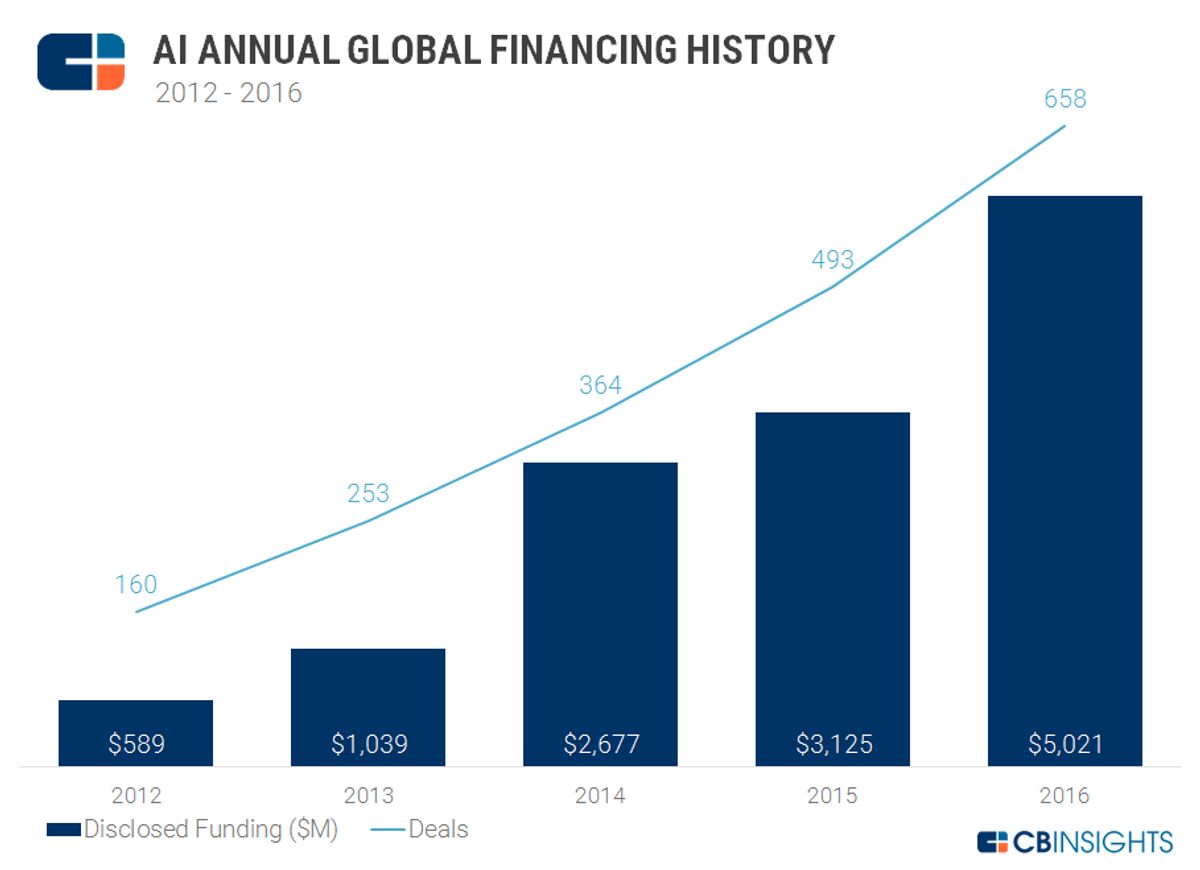
In the era of big data, Artificial Intelligence (AI) has become a pivotal tool for businesses seeking to harness the power of analytics for strategic decision-making. The integration of AI in data analysis not only enhances the accuracy of insights but also redefines the approach to market trends, customer behavior, and overall business planning. This article delves into the transformative role of AI analytics in delivering strategic business insights and fostering data-driven decisions that propel organizations forward.
Key Takeaways
- AI-driven analytics are revolutionizing business strategies by providing deeper insights and enabling data-driven decision-making.
- Incorporating AI into business analytics allows for more informed decisions and the development of robust strategic plans.
- Seamless data integration and quality are essential for AI systems to generate impactful strategic insights.
- AI analytics significantly enhance customer personalization, satisfaction, and brand loyalty through targeted marketing strategies.
- Adopting best practices and ethical guidelines is crucial for businesses to navigate AI integration challenges and ensure sustainable growth.
The Evolution of Data Analysis: Embracing AI for Strategic Insights

Historical Context and the Shift Towards AI-Driven Analytics
The tapestry of data analysis has been intricately woven through the fabric of business intelligence over the years, evolving from simple spreadsheets to complex algorithms. The advent of AI-driven analytics marks a pivotal shift in this evolution, offering unprecedented speed and precision in uncovering hidden patterns and insights. AI does not replace, but rather enhances, the human element, ensuring that strategic decision-making is both data-informed and contextually nuanced.
The integration of AI into data analytics is not just an upgrade; it's a revolution that redefines the boundaries of business intelligence.
As we stand on the cusp of this transformative era, it's essential to recognize the symbiotic relationship between AI and human expertise. While AI algorithms excel at processing and analyzing large datasets, human oversight is indispensable for interpreting these findings within the broader strategic context. This collaboration between man and machine paves the way for a more informed and agile business landscape.
| Year | Global Big Data Analytics Market Value (in billion USD) |
|---|---|
| 2021 | 215.7 |
| 2025 | 420.98 |
| 2029 | 655.53 |
Source: Statista
The figures above underscore the burgeoning investment in AI analytics, signaling a future where data-driven insights are the cornerstone of strategic business planning. As we embrace this future, let us not forget the importance of ethical considerations and the human touch in harnessing the full potential of AI. Engage with us as we explore the depths of AI analytics and its impact on your business strategies. Dive deeper into the data revolution—your next strategic move depends on it.
Comparative Analysis of AI Analytics and Traditional Data Analysis Methods
The advent of AI-Enhanced Data Analytics has marked a pivotal shift in the realm of data interpretation. Traditional data analysis methods, while foundational, are often limited by the manual intensity and the linear approach to processing information. AI analytics, on the other hand, employs sophisticated algorithms and machine learning to delve into complex data sets with unprecedented speed and accuracy.
AI for Competitive Analysis is not just a buzzword; it's a strategic imperative. The integration of AI into analytics transforms raw data into actionable insights, enabling businesses to anticipate market trends and respond with agility.
Here's a snapshot of how AI analytics compares to traditional methods:
- Speed: AI analytics processes large volumes of data at a speed unattainable by human analysts.
- Accuracy: Machine learning algorithms continuously improve, reducing the margin of error.
- Predictive Power: AI can forecast future trends, giving businesses a competitive edge.
- Complexity Handling: AI systems can analyze unstructured data, such as social media posts or customer reviews, which traditional methods struggle with.
Embracing AI-Enhanced Data Analytics is not merely about keeping up with technology; it's about staying ahead in a data-driven world. As we look to the future, the role of AI in data analysis is not just to augment but to revolutionize the way we glean strategic insights. The question remains, is your business ready to harness the power of AI for a competitive advantage?
Future Projections: AI's Role in Shaping Data Analysis
As we stand on the brink of a new era in data analytics, the integration of AI is not just an option—it's an imperative for businesses seeking a competitive edge. The global big data analytics market, projected to reach $655.53 billion by 2029, is a testament to the seismic shift towards AI-driven insights. AI is poised to become the backbone of data analysis, transforming raw data into strategic assets with unprecedented speed and precision.
The transformative power of AI lies in its ability to process and analyze data at a scale and depth unattainable by human analysts alone. This leap forward is not about replacing human insight but augmenting it with advanced predictive capabilities and nuanced interpretations. As AI continues to evolve, we can expect a landscape where data analysis is more proactive than reactive, anticipating market shifts and customer needs with remarkable foresight.
The synergy between AI and human expertise will redefine the benchmarks for data-driven decision-making, setting new standards for accuracy and strategic foresight.
To fully harness the potential of AI in data analysis, businesses must navigate a series of strategic steps:
- Embrace AI as a core component of the data analytics toolkit.
- Invest in the right talent and technology to integrate AI seamlessly.
- Foster a culture of innovation that encourages the exploration of AI's possibilities.
- Ensure ethical guidelines are in place to govern the use of AI in data analysis.
As we look to the future, the question is not if, but how swiftly businesses will adapt to the AI revolution in data analysis. The time to act is now—embrace AI and let it propel your business towards a horizon of untapped opportunities. Are you ready to transform your data into your most valuable strategic asset? The future awaits.
Optimizing Decision-Making: The Role of AI in Strategic Business Planning
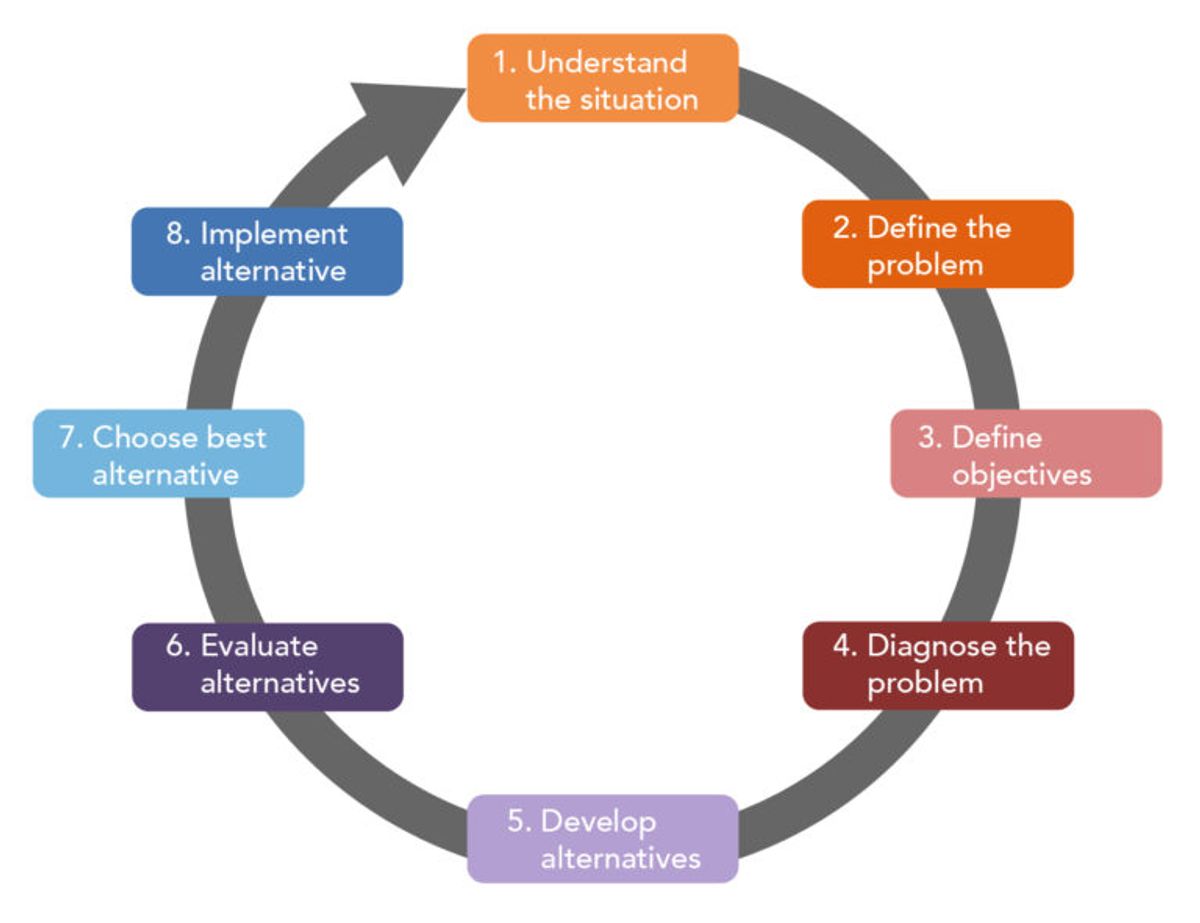
Enhancing Predictive Capabilities for Market Trends and Opportunities
In the realm of strategic business planning, Predictive Business Insights AI is revolutionizing the way organizations anticipate future market trends and customer behaviors. By harnessing the power of AI in Financial Forecasting, companies can now predict with a remarkable degree of accuracy, turning data into a crystal ball for market dynamics. This deep analytical prowess is not just a competitive advantage; it's a strategic imperative in today's volatile marketplace.
The integration of predictive analytics AI with market data allows for the anticipation of tipping points, such as when a niche trend might hit the mainstream. This enables companies to strategically time their product launches and campaigns, ensuring they resonate with the intended audience.
Furthermore, Generative AI in sales and marketing is not just about forecasting; it's about uncovering hidden opportunities and informing strategic decision-making. By examining past data and current market signals, businesses can identify high growth prospects and untapped customer segments, thereby gaining a clear edge over the competition.
- Data reveals patterns and trends for future market behaviors
- Understanding customer behavior leads to tailored products and services
- Customer-centric approaches increase satisfaction and loyalty
The Enterprise Consultation package includes a price estimation document for technologies, API services, employee and time estimation, server costs, and more. Stas Sorokin offers expert web development consultation services in various high-tech domains. Embrace the transformative power of AI analytics and ensure your business remains at the forefront of innovation and growth. Take the first step towards data-driven excellence—consult with experts who can guide your journey into the future of strategic planning.
Data Integration and Quality: The Foundation for AI-Generated Insights
In the realm of AI Business Intelligence Solutions, the integrity and integration of data are paramount. The meticulous process of harmonizing disparate data sources lays the groundwork for AI's analytical prowess, enabling a transformation of raw data into strategic business insights.
The journey towards effective AI-assisted data analysis involves more than just dismantling data silos. It requires the implementation of best practices in data integration, including thorough validation and quality checks, which are essential for training machine learning models.
The following table illustrates the critical steps in ensuring data quality for AI analytics:
| Step | Description |
|---|---|
| 1. Data Collection | Gather data from diverse, reliable sources. |
| 2. Data Cleaning | Remove inaccuracies and inconsistencies. |
| 3. Data Validation | Verify the authenticity and accuracy of data. |
| 4. Data Integration | Combine datasets to form a unified view. |
By adhering to these steps, organizations can leverage Data-Driven Decision Making AI to not only react to market dynamics but also to proactively shape them. The quality and structure of information profoundly influence analytical outcomes, which in turn, drive the efficacy of Business Performance AI Tools.
As we delve deeper into the age of data, let us not forget that the true power of AI lies in its ability to distill vast oceans of data into actionable insights. It is these insights that equip businesses with the foresight to navigate the ever-evolving market landscape. Embrace AI analytics, and let data be the compass that guides your strategic decisions. The future of business intelligence is not just about collecting data; it's about making it work for you.
Case Studies: Successful AI Implementation in Decision-Making Processes
The transformative power of AI in decision-making is not just theoretical; it's a reality that's reshaping the business landscape. Businesses that have embraced AI analytics are reaping the benefits of enhanced decision-making and strategic planning. They leverage AI's predictive capabilities to anticipate market trends and seize emerging opportunities, gaining a competitive edge in the dynamic marketplace.
For instance, a leading e-commerce platform integrated AI to analyze customer behavior, resulting in a significant uptick in sales. By employing machine learning algorithms, the platform could personalize marketing strategies, leading to enhanced customer satisfaction and loyalty.
The key to successful AI implementation lies in a strategic approach that includes identifying value-adding use cases, investing in robust infrastructure, and upskilling employees.
Collaboration with experienced AI consultants and solution providers has proven to be a catalyst for businesses, expediting the AI adoption process and optimizing outcomes. The table below showcases a snapshot of the impact AI has had on various businesses:
| Business Sector | AI Application | Outcome |
|---|---|---|
| E-commerce | Predictive Analytics | Increased Sales |
| Customer Service | NLP for Feedback Analysis | Improved Satisfaction |
| Marketing | Personalized Strategies | Higher Customer Retention |
In conclusion, the journey towards AI-assisted analytics and decision-making is both challenging and rewarding. It demands a commitment to data integration, best practices, and the transformative potential of AI technologies. For those who embark on this journey, the rewards include not just efficiency and informed decision-making, but a sustainable competitive advantage.
AI-Powered Marketing: Transforming Strategies with Data-Driven Insights

Personalization and Customer Insights: The AI Advantage
In the digital age, Customer Insights Analytics AI systems are transforming the landscape of personalized marketing. These advanced AI tools are capable of sifting through immense datasets to extract nuanced customer preferences, enabling businesses to tailor their offerings with unprecedented precision.
The key to unlocking the potential of AI in marketing lies in its ability to provide personalized recommendations and insights that resonate with individual customers.
By leveraging AI, companies can not only predict but also shape consumer behavior. This is achieved through a combination of predictive analytics and real-time data processing, which together create a dynamic and responsive marketing strategy. The table below illustrates the impact of AI on customer engagement metrics:
| Metric | Before AI | After AI |
|---|---|---|
| Conversion Rate | 2% | 5% |
| Customer Retention | 60% | 85% |
| Average Order Value | $50 | $70 |
The integration of AI into marketing strategies is not just about data; it's about building a connection with the customer. By understanding and anticipating customer needs, AI empowers businesses to deliver more meaningful and satisfying experiences. This, in turn, fosters loyalty and drives sustainable growth.
Remember, the insights provided by AI are not static; they evolve as your customer base grows and changes. To stay ahead, visit the [Bles Software website](https://www.blessoftware.com) for the latest on leveraging AI for scalable growth and innovation across business stages.
Adapting Marketing Tactics to Leverage AI-Induced Market Dynamics
In the realm of AI-Powered Business Strategy, the transformation of marketing tactics is not just a trend but a strategic imperative. AI in Market Trend Analysis has become a cornerstone for businesses aiming to stay ahead of the curve, offering unparalleled insights into consumer behavior and market shifts. AI-Driven Sales Predictions, meanwhile, empower companies with foresight, enabling them to anticipate demand and optimize inventory accordingly.
- AI-driven analytics for targeted campaign strategies
- Real-time adjustments to marketing efforts
- Enhanced customer segmentation and personalization
The integration of AI into marketing analytics is not merely an enhancement but a complete reinvention of traditional approaches.
The table below illustrates the impact of AI on key marketing metrics, showcasing the tangible benefits of adapting marketing tactics to AI-induced market dynamics:
| Metric | Before AI | After AI |
|---|---|---|
| Customer Engagement | Low | High |
| Campaign ROI | Variable | Improved |
| Market Response Time | Slow | Rapid |
Embracing AI tools for marketing is no longer optional for businesses seeking sustainable growth. It is essential to weave AI into the fabric of marketing strategies to create resonant, dynamic campaigns that captivate the intended audience. As we continue to navigate the AI revolution, it is crucial to remain agile, adapting tactics to harness the full potential of AI-generated insights. Let us guide you through this transformative journey, ensuring your business remains at the forefront of innovation and customer satisfaction.
Assessing the Impact of AI on Customer Satisfaction and Brand Loyalty
In the realm of customer satisfaction and brand loyalty, AI for Customer Behavior Analysis has emerged as a pivotal tool. By harnessing the power of AI, businesses can now delve into the intricacies of customer interactions, preferences, and feedback with unprecedented precision. AI Analytics in Customer Segmentation allows for the crafting of highly personalized experiences that resonate with each customer segment, fostering a sense of value and connection.
The integration of AI-powered customer service tools that comprehend context and nuance elevates the customer experience. It's not just about responding to queries; it's about understanding the customer's journey and enhancing it at every touchpoint.
AI-driven marketing tools are not only revolutionizing content delivery but also ensuring that engagement rates soar. By analyzing customer data, these tools provide tailored content suggestions that hit the mark every time. Moreover, the use of NLP tools to interpret customer feedback and social media sentiment offers a granular view of customer preferences, enabling businesses to fine-tune their strategies for maximum impact.
The table below encapsulates the transformative effects of AI on customer satisfaction and loyalty:
| Metric | Pre-AI Implementation | Post-AI Implementation |
|---|---|---|
| Customer Satisfaction Rate | 70% | 85% |
| Repeat Business Ratio | 40% | 60% |
| Engagement Rate | 50% | 75% |
Embracing AI in marketing analytics is not just a trend; it's a determinant of business success in today's customer-centric market. As we continue to innovate and adapt, AI's role in fostering customer loyalty and driving engagement becomes increasingly clear. Let's harness this potential together, and transform the way we connect with our customers.
Navigating the AI Revolution in Business: Challenges and Best Practices

Identifying and Overcoming Obstacles in AI Integration
The path to integrating AI into business processes is fraught with challenges, yet it is a journey that can redefine the competitive landscape. Businesses must first pinpoint where AI can have the most significant impact, often starting with areas plagued by inefficiencies or those that could benefit from enhanced data insights. For instance, marketing, supply chain management, and customer experiences are prime candidates for AI's transformative touch.
The key to successful AI integration lies in a strategic approach that prioritizes areas with the highest potential for improvement.
Implementing AI is not just about technology; it's about people and processes. It requires a clear understanding of the specific use cases where AI can add value, the establishment of robust infrastructure, and the cultivation of skilled talent. Here are some best practices to consider:
- Establish clear goals for AI integration and identify specific bottlenecks.
- Invest in technology infrastructure that supports AI applications.
- Provide training and upskilling opportunities for employees.
- Collaborate with AI experts, like Stas Sorokin, who specialize in software development and AI applications.
The conclusion is clear: those who navigate the complexities of AI integration stand to gain enhanced efficiency, informed decision-making, and a formidable competitive edge. Embrace the transformative potential of AI, and let it propel your business into a future of data-driven excellence.
Establishing Ethical Guidelines for AI Analytics
In the realm of AI analytics, the ethical use of AI in business practices is not just a regulatory requirement; it's a cornerstone for building trust and ensuring a positive social impact. As we harness AI to empower smarter decisions and foster growth, we must also navigate the complexities of data privacy and the moral implications of automated decision-making.
To this end, a framework for ethical AI analytics should encompass the following key elements:
- Transparency: Clear communication about how AI systems operate and make decisions.
- Accountability: Establishing who is responsible for AI-driven outcomes.
- Fairness: Ensuring AI systems do not perpetuate biases or inequalities.
- Privacy: Safeguarding personal data and upholding data protection standards.
By embedding these principles into the fabric of AI initiatives, businesses can overcome challenges like big data integration and leverage AI for a strategic advantage while maintaining the public's trust.
Moreover, with increasing regulatory scrutiny, compliance and risk management are not just best practices but essential strategies for sustainable operations. AI analytics can be instrumental in ensuring compliance with regulations, thereby mitigating risks associated with data breaches or non-compliance. It's imperative that businesses proactively address these issues to minimize the likelihood of regulatory fines or reputational damage.
Remember, the journey towards ethical AI is continuous and evolving. As we advance, it is crucial to revisit and refine our ethical frameworks to stay aligned with societal values and technological progress. Let's commit to responsible AI analytics that not only drives business success but also contributes to the greater good.
Best Practices for Ensuring AI Analytics Contribute to Sustainable Growth
To ensure Business Growth Analytics AI and Real-Time Business Analytics AI become cornerstones of sustainable development, businesses must adopt a strategic approach. The integration of AI-driven analytics is not just a technological upgrade; it's a transformative process that redefines how data is utilized for growth, innovation, and maintaining a competitive edge.
- Start by establishing clear objectives for AI implementation.
- Invest in robust AI infrastructure and data management systems.
- Prioritize continuous learning and upskilling for your workforce.
- Collaborate with AI experts to tailor solutions to your specific needs.
By embedding AI analytics into the core of business operations, companies can achieve operational efficiency and enhance strategic decision-making, leading to revenue growth and a sustainable competitive advantage.
In recognizing the symbiotic relationship between AI-driven analytics and data integration, seamless data accessibility and quality become pivotal. This enables AI systems to generate actionable insights, illuminating opportunities and empowering businesses to anticipate and adapt to market shifts swiftly.
The journey towards effective AI-assisted data analysis and decision-making is both challenging and rewarding. It requires dismantling data silos, implementing best practices in data integration, and embracing the transformative potential of AI technologies. For businesses willing to undertake this journey, the rewards are substantial: enhanced efficiency, informed decision-making, and a competitive edge in the digital marketplace.
Are you ready to harness the full potential of AI analytics for your business? Engage with us to explore how AI can drive your strategic insights and decision-making processes to new heights.
Conclusion
In conclusion, the integration of AI analytics into business operations marks a transformative era in strategic planning and data-driven decision-making. This article has underscored the pivotal role of AI in extracting actionable insights from complex datasets, enhancing customer satisfaction, and providing a competitive edge through informed decisions. As businesses continue to navigate the dynamic market landscape, the symbiotic relationship between AI-driven analytics and data integration will remain instrumental in unlocking the full potential of data assets. While challenges persist, the proactive adoption of AI in business strategies and the continuous innovation it fosters are essential for organizations aiming to thrive in the future of data-centric business environments. Ultimately, leveraging AI analytics is not just about keeping pace with technological advancements—it is about harnessing them to foresee market shifts, anticipate customer needs, and drive business growth with unprecedented precision.
Frequently Asked Questions
What is AI analytics?
AI analytics refers to the use of artificial intelligence technologies, including machine learning and data mining, to analyze large datasets and extract valuable insights. It enables businesses to predict future market trends, understand customer behavior, and make data-driven decisions.
How does AI enhance data-driven decision-making?
AI enhances data-driven decision-making by processing vast quantities of data at high speed to produce actionable insights. This allows businesses to navigate challenges, anticipate trends, and identify opportunities quickly, integrating these insights into their strategic processes at all levels.
What are the benefits of integrating AI into business analytics?
Integrating AI into business analytics provides accurate predictions and insights based on historical data, empowering business leaders to anticipate market trends and seize emerging opportunities. This leads to more informed decision-making, robust strategic planning, and a competitive edge in the marketplace.
How does AI analytics impact customer satisfaction and loyalty?
AI analytics impacts customer satisfaction and loyalty by enabling businesses to offer personalized recommendations and gain a deeper understanding of customer needs. This leads to more effective marketing strategies, improved customer experiences, and ultimately, increased brand loyalty.
What are the challenges of AI integration in business?
Challenges of AI integration include ensuring data quality and accessibility, overcoming technological and organizational barriers, addressing ethical concerns, and managing the complexity of AI systems. Businesses must also stay updated with evolving AI technologies and maintain a skilled workforce to manage them.
What are some best practices for leveraging AI for strategic business insights?
Best practices for leveraging AI for strategic business insights include maintaining high-quality data integration, establishing ethical guidelines for AI use, continuously monitoring AI analytics for accuracy, and integrating AI insights into decision-making processes. Additionally, businesses should invest in upskilling their workforce to adapt to AI technologies.

Comments
Post a Comment